
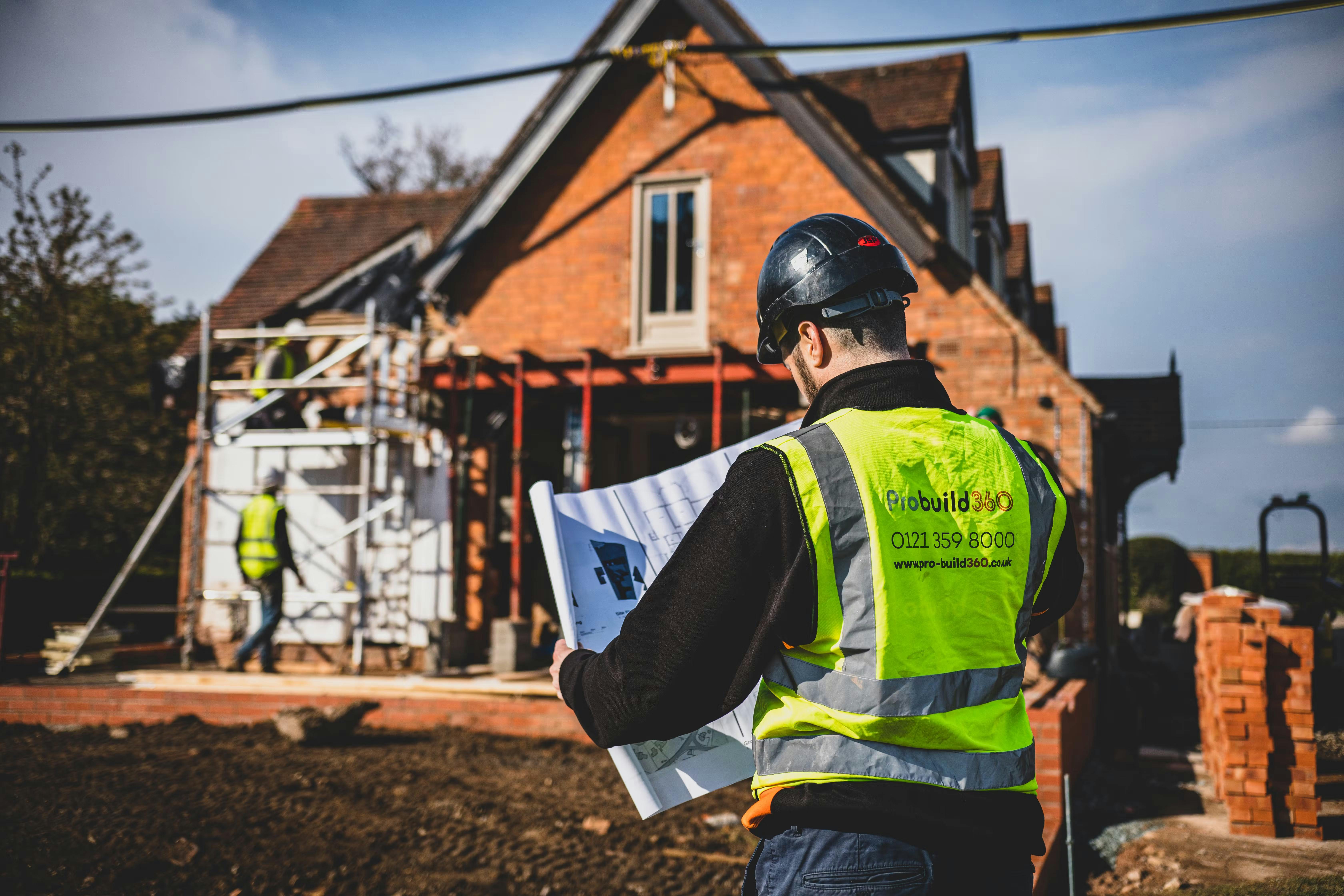
Whether you're building a new house from scratch, or altering an existing one, the majority of construction in England must comply with certain building regulations as a matter of law. Failure to comply can lead to severe consequences, such as fines, penalties, legal action and even a loss of business.
It's worth noting that building regulations approval is different to planning approval, and takes effect as the build gets underway, unlike planning approval which is required before the build can start. To gain building regulations approval you'll need to appoint approved inspectors who will ensure your project meets the legal standards.

Purpose and Scope
The reason for building regulations is to set strict standards that need to be met by builders and developers, in order to protect the safety and welfare of the people in and around the building. They also set energy performance standards to ensure the building is environmentally-friendly.
While new structural work or alterations will require approval from a building inspector, there are cases where competent professionals can self-certify their works for compliance, such as specialists in electrics, drainage, heat-producing appliances and cavity wall insulation. For more information on joining a competent person scheme, search here.
Building regulations apply to most building projects, however, there are some that are exempt from building regulation approval depending on their floor area and height, such as garden rooms, porches and conservatories. Research your particular project on the government website to see if it requires building regulations approval.

Legal Requirements
It's not only big construction projects that must stick to the rules to gain approval, builders must also adhere to regulations when it comes to smaller building projects, like installing a bathroom with new plumbing, replacing a fuse box, installing a new heating system, and even adding extra radiators. Non-compliance can lead to costly re-work to address the issue, while any insurance claims can become invalid if non-compliance is found to be the cause.
Ultimately, if a project doesn't adhere to legal building requirements then it won't be given a certificate of compliance, which can be problematic when selling the property.
Building Regulations Approved Documents
Role of Approved Documents
Approved Documents are a series of instructions devised by the government to provide guidance on how each building regulation should be adhered to by builders and developers.
Here is a list of the key Approved Documents, what they cover and a direct link to each approved document:
Part A – Structure
This regulation covers the structural integrity and the loadings of a building, such as the foundations, walls, roofs and chimneys, ensuring the building is safe for use. Read the full building regulations document here.
Part B - Fire Safety
This document covers fire safety matters in and around the building, ensuring the correct compliance materials are used. This document has different regulations for residential buildings and commercial buildings, like offices, care homes and shops, so be sure to read the right document concerning your project. Read the full building regulations document here.
See our full breakdown here.
Part C- Site Preparation and Contamination
The condition of the ground on which a structure is to be built upon can have a huge impact on the quality and safety of a building, therefore, this regulation sets out details for protecting buildings from contaminated sites and areas that could be prone to damp and moisture. Read the full building regulations document here.
Part D - Toxic Substances
Designed to provide guidance on the prevention of harmful material used in the construction of the building, this document lays out ways in which to keep the building's occupants, and those working on the site, safe. Read the full building regulations document here.
Part E - Sound
This regulation details guidance on sound insulation within a building, and recommends soundproof materials that meet approved acoustic levels. Read the full building regulations document here.
Part F - Ventilation
This document covers regulations around adequate ventilation of all buildings, in order to prevent condensation and to ensure compliance with the maintenance of good indoor air quality. Read the full building regulations document here.
See our breakdown here.
Part G - Sanitation and Water Efficiency
Covering all the regulations surrounding water supply, efficiency and usage, this document also contains details on how to meet building regulations when it comes to underfloor water heating pipes, pipes in walls, waste water pipes and supply pipes. Read the full building regulations document here.
Part H - Drainage
With detailed information on drainage and waste disposal, this approved document also offers guidance on how to build around existing sewers and which drainage materials to use that comply with regulations. Read the full building regulations approval document here.
Part J - Fuel
This regulation covers the safe installation and fuel storage systems, the air supply and the discharge of combustion appliances in buildings. It also provides guidance for carbon monoxide detection, gas safety, boiler flue regulation and important information around fireplaces and chimneys. Read the full building regulations document here.
Part K - On-Site Building Safety
This approved document is concerned with the safety of people and workers on the build site, and the legal requirement that must be followed to protect them from falling, collision and impact when working with staircases, ladders, ramps and glazing. Read the full building regulations document here.
Part L - Conservation of Fuel and Power
Part L sets the standards for energy performance of new and existing buildings, and is updated every 4 to 5 years to reflect the advancement of energy efficiency in the construction industry. Read the full building regulations document here.
See our full breakdown here.
Part M - Accessibility
This document sets out the requirements for easy access to buildings and the flow within it, ensuring wheelchair uses, people with disabilities, and even people with prams, have unobstructed movement. Read the full building regulations document here.
Part O - Overheating
Part O provides guidance on designing houses that don't overheat, offering suggestions for reducing heat from 'solar gain' and providing good ventilation. Read the full building regulations document here.
Part P - Electrics
This regulation covers electrical safety, ensuring all electrical work has low voltage protection installed to prevent injury from shock or fire. Read the full building safety regulations document here.
Part Q - Security
Part Q document discusses the standards required for sufficiently robust doors and windows to prevent a break in, as well as the appropriate hardware that should be fitted. Read the full document here.
Part S - Infrastructure for Charging Electric Vehicles
This document provides direction on the requirements for the installation of charge points for electric vehicles. Read the full document here.

Updates to Approved Documents and New Rules
Building regulations are not set in concrete and the Approved Documents are often updated to reflect societal changes and circumstances, such as the growing trend for electric vehicles, or building disasters, like Grenfell Tower in 2017, which saw huge changes to the Part B fire regulations.
While some might perceive spending time on compliance as a burden, or reviewing Approved Documents as time wasting, missing vital changes to building controls could impact your company if they are not closely tracked.
To stay up to date with the latest version of approved documents and their new rules, subscribe to newsletters and alerts from regulatory bodies or legislative authorities, as well as monitoring the government website. Encourage employees to stay vigilant and informed about the latest regulations, and you could even sign up to webinars or training that offer guidance for implementing new approved documents.
Staying compliant with building regulations is not simply a legal requirement, it also demonstrates to your clients and staff that you take the safety and performance of your building work seriously, and promote professional competency.