
Identify the pattern of a typical year
“Client enquiries definitely have seasonal highs and lows, although there’s a steady trickle of new work all year,” Peter Reader of Peter Reader Landscapes says. “The busiest times of year are spring, when people are thinking about summer in the garden after winter, and also autumn, when, having spent the summer in the garden, they reflect on how they’d like a better one.”
Christine Wilkie of Christine Wilkie Garden Design adds, however, that although workflow does tend to mirror the seasons, it’s not unusual to have busy winters and quiet springs.
Emma O’Connell of Emma O’Connell Garden Design agrees. “We tend to have a three-month waiting list, so while a new project might be confirmed in September, we won’t be able to start the actual design work until December,” she says.
“Project planning for each garden flows out from when each project is commissioned,” Peter says. “The time this takes varies from project to project, depending on things such as its complexity, decision-making from clients, and availability of contractors.
“Sometimes, there can be specific issues that dictate when a project can be progressed,” he adds. “A good example is planting a garden. While this can occur at any time of year, the best times to plant are autumn and spring, as these seasons give the plants the best conditions for establishing.”
Be upfront with clients about timings
“I prioritise regular communications with clients to help manage their expectations in terms of timescales and project deliverables,” Christine says. “I find that most clients will be understanding if you’ve told them what to expect from you, and when.”
“Be accurate and honest in your communications with clients and colleagues, and manage expectations so they are achievable,” Peter advises. “I’m fortunate to have a busy practice, so I emphasise this to new clients and give them realistic timelines of how long the work will take.
“This includes giving them a feel of things that can interrupt your work, such as unexpected site visits to someone else’s build that takes you out of the studio. If people know what’s happening, they’re generally very understanding of delays in timings.”
Work out a plan to even out your timeline
“The great thing about running a design practice is that, while the seasons dictate what you can do outside, the reality is you can design year-round,” Emma says.
“I find that having an annual plan, with quarterly goals and targets, goes a long way to smoothing out the workflow,” Christine says. “Design projects vary enormously in scope, scale and complexity. Larger projects can often be broken down into discrete, manageable chunks, which helps to balance the workload while at the same time allowing smaller projects to be scheduled alongside them.”
“Have an accurate timeline of works for each project,” Peter says, “so you know at what stage each is at and you can make sure that deadlines are hit and plants ordered in time.”
During busy times…
Set strict boundaries Emma makes sure she has colleagues she loves working with around during the busy times to help manage the workflow. “Delegate. Delegate. Delegate,” she says.
“Don’t book too many meetings, such as with new clients, as it’s really important to have lots of time in the studio to keep up with the workload,” Peter says. “And don’t be nervous of saying no to things. It’s important to keep control of your work and not be pressured into over-committing.”
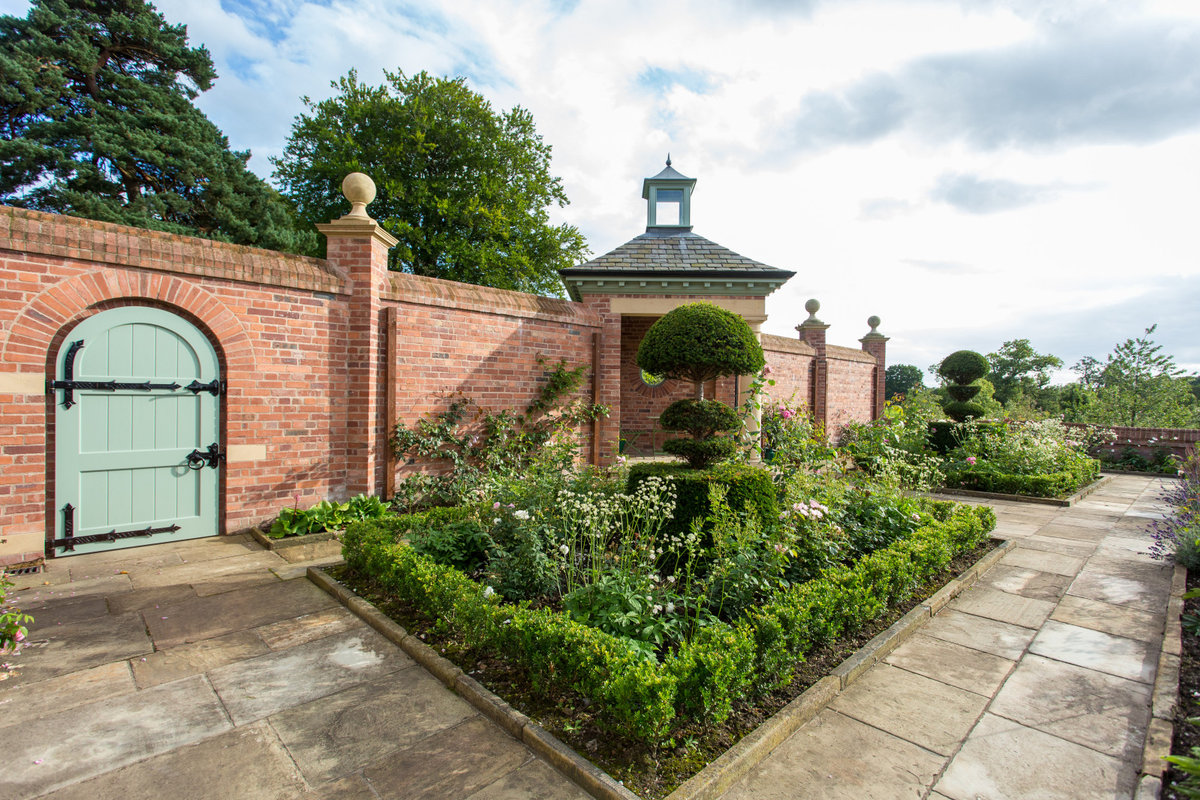
Set up systems Organisation is key during busy periods, the pros agree. “Having practical systems in place helps me keep on top of things and avoid becoming overloaded,” Christine says. “Regularly reviewing and prioritising projects in terms of their urgency and importance ensures I focus on the right activities. At busy times, this review can be daily, but more usually it’s weekly.”
Christine recommends using the Houzz Pro project management software, as it helps you to plan a project from start to completion. “Houzz Pro helps me to efficiently manage and track new enquiries, which is particularly helpful in busy periods,” she adds. “The range of tools available, such as Mood Boards and the new Selections tool, are invaluable when collaborating with clients throughout the design process.”
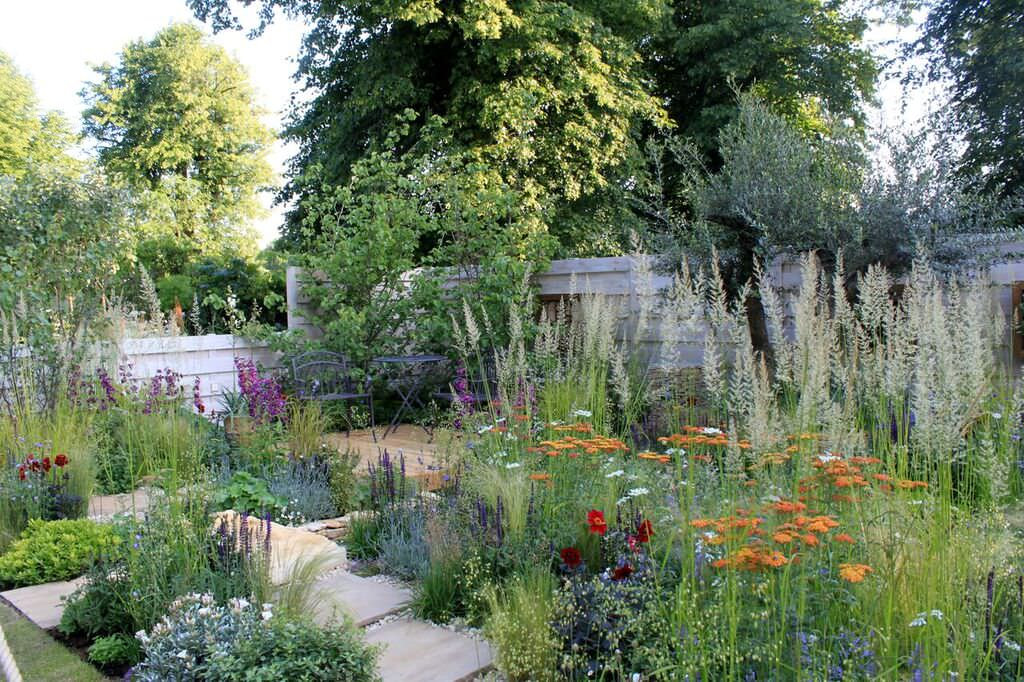
During quiet times…
Catch up with admin The professionals recommend looking at slower periods positively. “Quiet times can be a blessing, provided they don’t go on for too long,” Peter says. “In any business, there’s usually something else to be done that’s not core design work, but is vital to its smooth running. This can be as simple as tackling your accounts and making sure paperwork is properly filed, or uploading a newly completed project to your website.
“Equally importantly, though, quieter moments allow you time to undertake learning and personal development,” he adds. “It’s so easy for this to get neglected in a busy practice, but it’s vital that you keep up to date, learn new skills and keep an eye on things such as plant quality and choice at your favourite nurseries.”
“Quieter periods can also be a good time to take on quick-turnaround projects that would not ordinarily be possible during busier periods,” Christine adds.
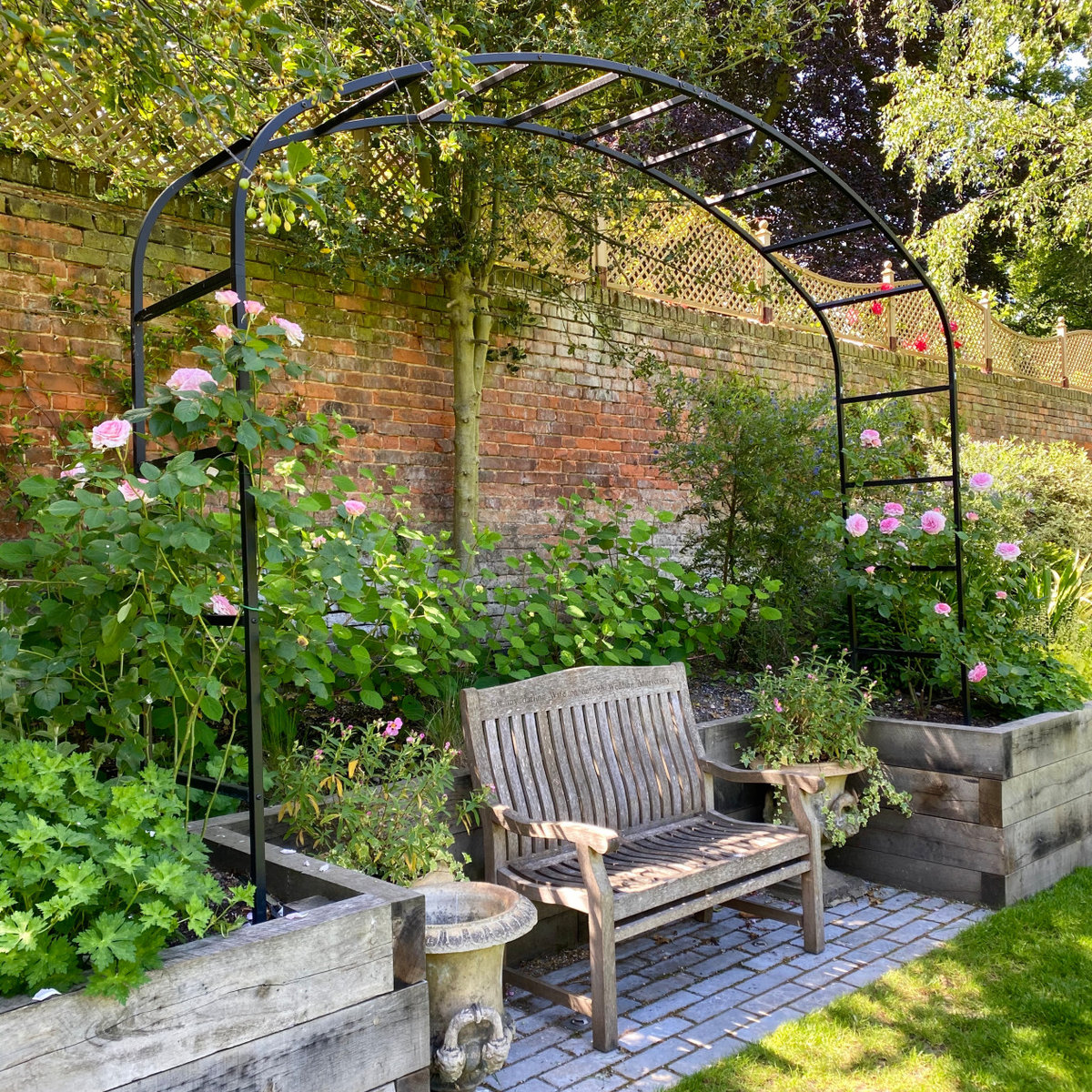
Increase your visibility “Taking time to manage your practice’s brand is really important and will prevent those quiet times for going on too long,” Peter says.
“I see [a quieter period] as an opportunity to beef up my marketing activity,” Christine agrees. “Typically, this may simply be updating my portfolio or website with newly completed projects or posting seasonal information on social media. It can also be a great time to connect with my industry peers and associates to identify upcoming opportunities to collaborate.
“Houzz Pro has become a key part of my marketing plan, helping to reinforce my online profile and credibility,” she continues. “It’s a great channel for showcasing projects, backed up with regular client reviews following successful completion of a project.”
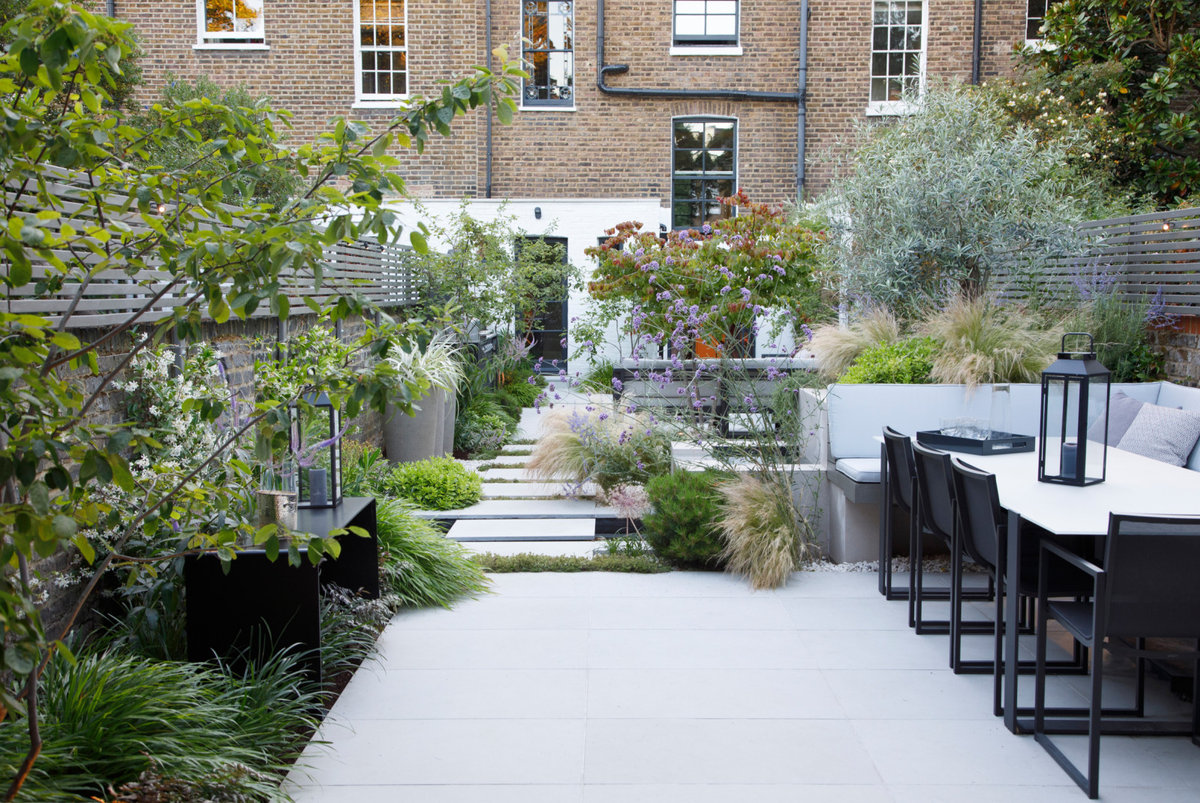
Go with the flow
Emma says it’s best to embrace the seasonal nature of garden design. “You have to go with it,” she says. “Make hay (and money) while the sun shines and don’t worry too much during the quieter periods – the seasons are inevitable.”