
Whether you work on high-end renovations or smaller projects, there are a few key features that make working with a homeowner easier and more successful. Take a look at this advice from design professionals to find out what makes an ideal client and discover tips on how to encourage them to use your firm for their project.

Learn from experience
While you’re finding your feet, it’s a good idea to be open-minded about the clients you work with. Each new project will give you a better idea of the type of homeowner your business should be targeting.
“We’re getting better at identifying who our ideal clients might be,” says Patrick Bankhead of Southstudio Architects. “In the past, we had to take whatever work came along, but the more projects you do, the more you learn to suss things out before you dive headlong into a job.
“We’ve turned down projects where we felt the chemistry wasn’t right and realised the clients would work better with another architect down the road,” he adds.
Look beyond budget
It can be tempting to aim for high-end clients with large budgets, but, for many successful design firms, other aspects are equally relevant.
“Obviously, budget is an issue, but good communication is key,” says Paolo Didonè of Didonè Camacchio Architects. “The type of project is also not a problem as long as there’s a shared understanding of the final goal.”
“Getting along with your clients is more important than the glory of a big extension or the income,” Patrick says. “You have to form a close bond with them, as you’re working together for a long time – a few years sometimes.
“We’ve produced good projects from quite a modest income,” he continues. “A good relationship will produce a better project and better value for money for the client.”
Find out how Houzz Pro can help you simplify lead management and reach more customers.

Plan your marketing
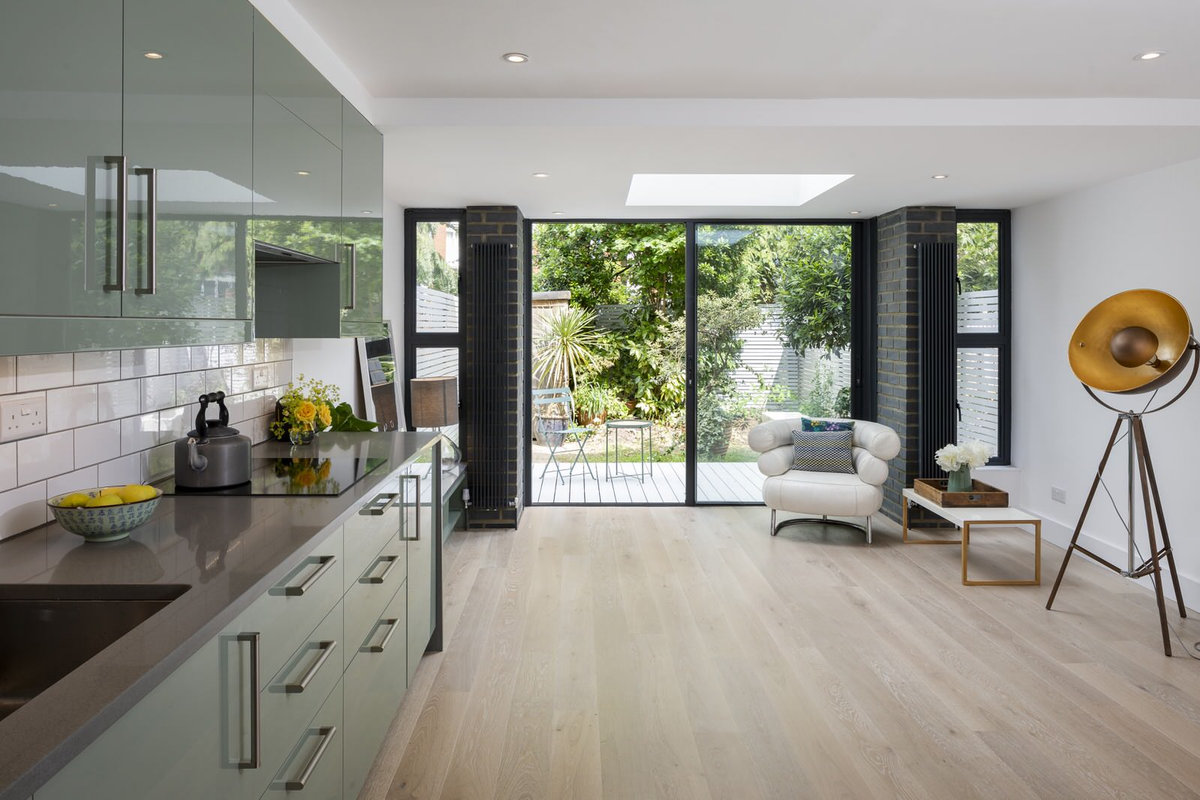
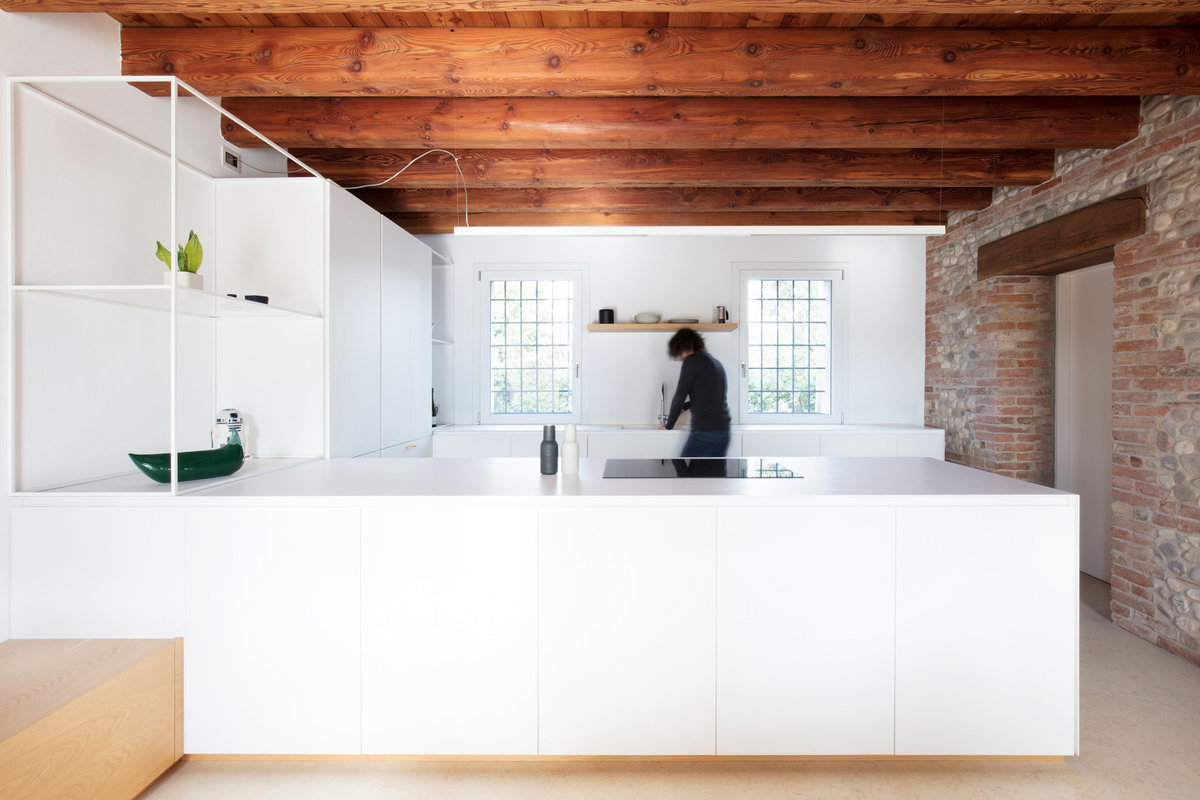
Be clear about the type of service you offer to potential clients by making the most of marketing channels. “We do a photo shoot of every closed project,” Paolo says.
“By providing a visual reference of our work on platforms such as Houzz,” Patrick says, “we can reassure people that we do the things they’re after, such as planning applications or listed buildings.”
The key to planning your marketing is to be specific, say our experts. Patrick suggests writing bullet point explanations alongside marketing photos. “We’ve probably been more abstract in the past, but now we’re direct about who the clients were, what they wanted, and what we’ve achieved,” he says.
“The best way to guarantee a client is our ideal fit is for them to be able to understand who we are, the kind of service we provide and which clients we’re aiming for,” Bettina Koroluk says. For this, a clear visual presence is crucial.

Do a reality check
To make sure you and a potential client are the right fit, it pays to have a frank conversation first. “We usually offer a first meeting, to get to know each other and talk about the project,” says Bettina Koroluk of GokoStudio. “In this meeting, we can clear up any doubts and ask if the client already has in mind the kind of project they want.”
Paolo also stresses the importance of this first meeting, and says, “When meeting a client for the first time, we usually go through images of works we’ve done previously and try to understand whether they’re talking to the correct firm for their needs.”
It’s also crucial to discuss timescale and budget. “Making sure the aspiration and budget are aligned is vital,” Patrick says. “We give an accurate assessment of what they can and can’t achieve in the initial meeting.”
“A perfect client is someone who has a sense of reality, and understands the costs and times of designing a project,” Bettina says. “We usually explain the entire process and make them aware that rushing is not good for the project.”

Encourage careful evaluation
Whether or not a client trusts your decisions will have a major impact on the success of a project. “It’s important to find clients who take time to choose their professional carefully and then trust them,”Bettina says.
By allowing a homeowner to carefully deliberate over their decision, you’ll create a bond of trust that will pay off later.As Patrick explains, “The best clients are engaged, clear in their thinking, and have the courage of their convictions once they’ve appointed someone.
“Some of our clients even do a mini competition, with concept designs from other architects,” he adds. “In more tricky moments in the project, this initial decision process makes a huge difference.”